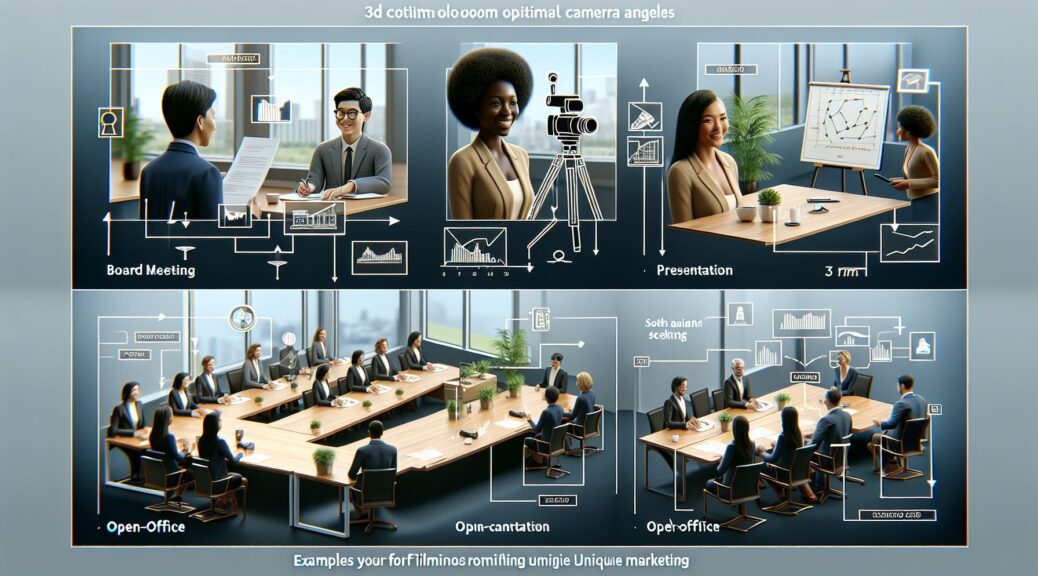
The essence of video marketing in the corporate world cannot be highlighted enough in this 21st century. With the rise of digital platforms and the allure of audio-visual content, corporations globally are leveraging the power of video to portray their brand story, showcase their products or services, engage with their audience, and ultimately, expand their customer base. However, alongside video quality and content, camera angles are a critical element that determine the effectiveness of a corporate video. This article seeks to explore how many and which types of camera angles constitute a good scene, and how you can take advantage of these to optimize the success of your video marketing campaigns.
The Power of Perspective: The Role of Camera Angles
Camera angles serve as the perspective or the vantage point from which the audience views your content. They are not just technical considerations banded about by cinematography enthusiasts. They play a significant role in amplifying the impact and emotional intensity of the content, and influencing the viewer’s perception of the narrative or subject matter. Therefore, the choice and deployment of camera angles can make or break your corporate video.
The Illustrious Three to Five: The Ideal Number of Camera Angles
Although the ideal number of camera angles varies depending on the complexity of the scene and the creative vision of the director, most industry professionals agree that three to five angles tend to make a good scene. One main angle (also called the master shot), complemented by two to four additional angles, often provides adequate coverage without overwhelming the viewer or muddling the narrative. Specifically for corporate videos, this range strikes the right balance between maintaining audience interest and clarity of message.
Types of Camera Angles and their Applications in Corporate Videos
1. The Eye-level Shot
Arguably the most frequently employed camera angle, the eye-level shot is taken at the subject’s eye level. It’s known for its neutrality, and is ideal for conveying straightforward facts or information about your product or service. It promotes a conversational tone and direct engagement with the viewer.
2. The High Angle
High angle shots are captured from above the subject, “looking down”. It can be used strategically in corporate videos to suggest a perspective of vulnerability or insignificance, for instance, when showing the “before” part of a before-and-after comparison.
3. The Low Angle
Conversely, low angle shots are taken from below the subject, “looking up”. They create an illusion of dominance or significance. It can be particularly effective for highlighting the superior features of a product or emphasizing the ‘changed’ status in a transformational journey.
4. The Over-the-Shoulder Shot
The over-the-shoulder shot involves framing the subject from behind the shoulder of another person. It is popular for creating a sense of conversation, and can be leveraged in client testimonials or interview-style corporate videos.
5. The Close-Up
The close-up is an intense shot that is zoomed in on a person or detail. Use this to focus on the USPs (unique selling points) of a product, or to present an emotional testimony that resonates with the viewer.
Conclusion
In the inexhaustible world of video marketing and filmmaking, creativity rules the roost. While always remembering the golden number, three to five, do not feel restricted in your use of camera angles. Experiment and explore, but always keep in mind the story you want to tell, the emotion you want to invoke, and the reaction you want to provoke. Let every camera angle contribute to and enhance the brand narrative, improving viewer engagement, retention, and conversion rates in your video marketing endeavors.